The Dreadful Dress
Budapest, Hungary
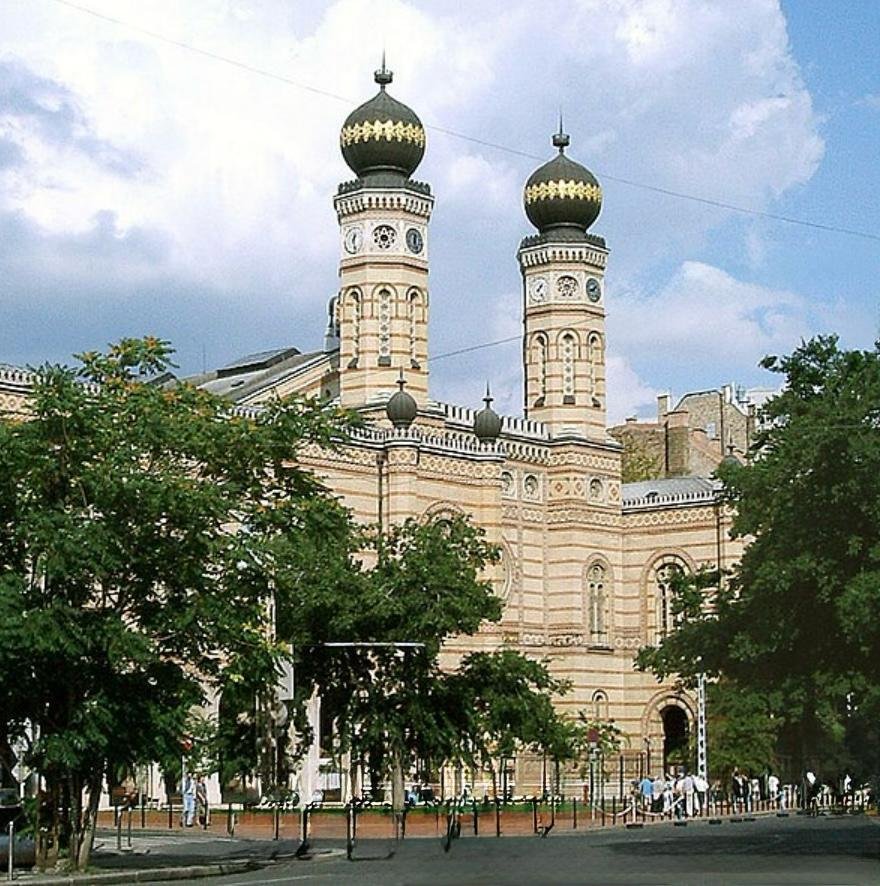
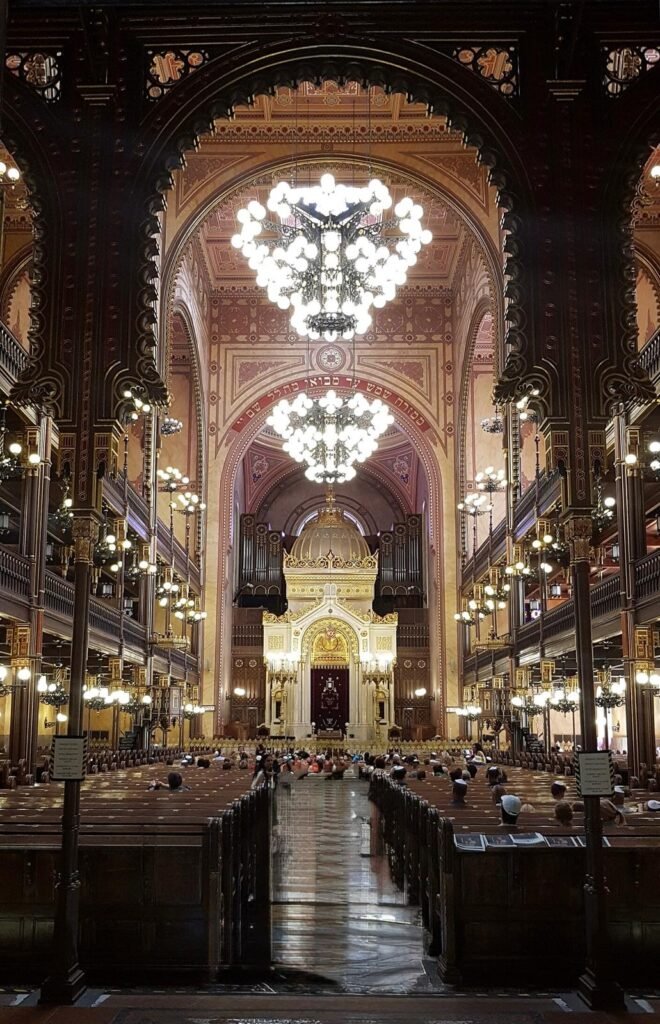
I AM WALKING through the museum in the 175-year-old Dohany Street synagogue, the largest synagogue in Europe. An amazing collection of antique artifacts has been amassed. I see 17th century marriage contracts, tattered and faded; silver kiddush cups; intricate havdala spice boxes. There are brit mila items- circumcision knives with elaborately decorated handles, a velvet chair for the sandak, the one who has the honor of holding the baby about to be ritually cut. There is a small, leather-bound mohel’s book. The circumciser painstakingly wrote in Hebrew the names of all the eight-day-old baby boys brought to him. It is fascinating, this glimpse of a large, once vibrant community, almost completely destroyed by the Nazis.
I move on to exhibits from World War II Budapest. This hallowed house of prayer and worship was sullied by the Nazis, used first as a radio station and later a filthy stable for horses. A glass case holds some objects that in all my travels I have never seen before. The Nazis didn’t just want to persecute the Jews of Budapest, they wanted to humiliate them, so they stole the Torah scrolls from the synagogue and defiled the lambskin parchment. White drumheads, arranged neatly in a glass case, were cut from the holy scrolls, the Hebrew letters of the eternal words clearly visible. It is so offensive, but not nearly as offensive as the dress on display in the case next to the drumheads.
I have seen and read many, many things about the Holocaust. I have been to museums all over the world. I have met people with faint blue numbers tattooed on their forearms, heard their stories, shared their tears. But this dress horrifies me.
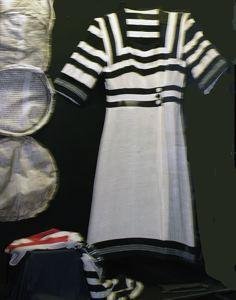
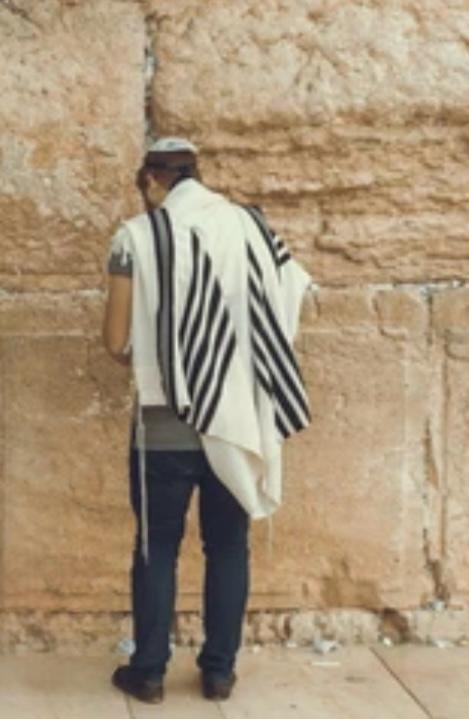
The dress was made by the Nazis from a tallit, a Jewish prayer shawl. This dress is mainly white with the black stripes of the tallit forming decorative borders on the neckline, sleeves, wide waistband and hem. The thick and thin black stripes are carefully matched, the mitered corners perfectly precise. Covered buttons alternate on the stripes of the waistband, a black button on the white stripe, a white button on the black stripe.
This profane dress was obviously sewn by a meticulous master tailor. Someone put an awful lot of thought and attention to detail into the design and construction of this dreadful dress.
That evening over dinner I am quiet. My dinner companions, two Americans and an Irish guy, carry on a lively conversation of their day in the Hungarian capital, the most beautiful of cities. They ask about my day and I explain the disturbing dress and drumheads. The table grows quiet, seeing the effect the museum had on me. Rachel, one of my friends, mentions the bar of soap next to the piece of barbed wire from a concentration camp displayed near the dress. Did I see it? “No”, I say. “I didn’t notice the soap. I was too busy staring at the dress.”
“It was made from human fat,” she tells me.
Took me awhile to read the history of the dress. That was bad enough but the soap is just horrifying.
This is indeed a very sobering story. It’s really hard to comprehend how horrific the Holocaust really was, but these examples really bring it home.
I was so affected at the sight of that dress so perfectly sewn from a sacred garment worn only when a man is communicating with the Master of the Universe. It was so sacrilegious, so profane, such a symbol of cruelty.